Our 2030 Water Goals
Responsible water management is a core priority for HEINEKEN Malaysia, reflecting the importance of water to our brewing operations, the communities in which we operate and our wider supply chain. Our approach focuses on three key areas: improving water efficiency in production, supporting water stewardship in local communities and promoting responsible water use across our supply chain.
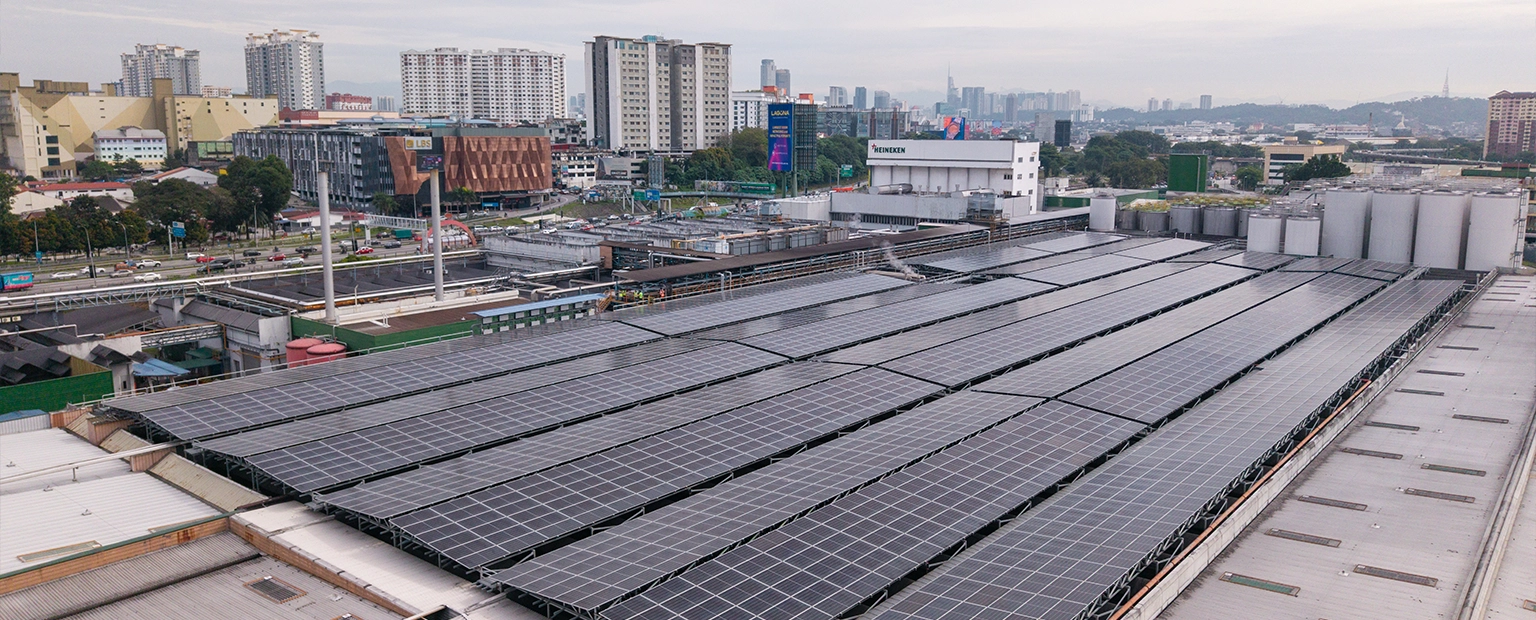
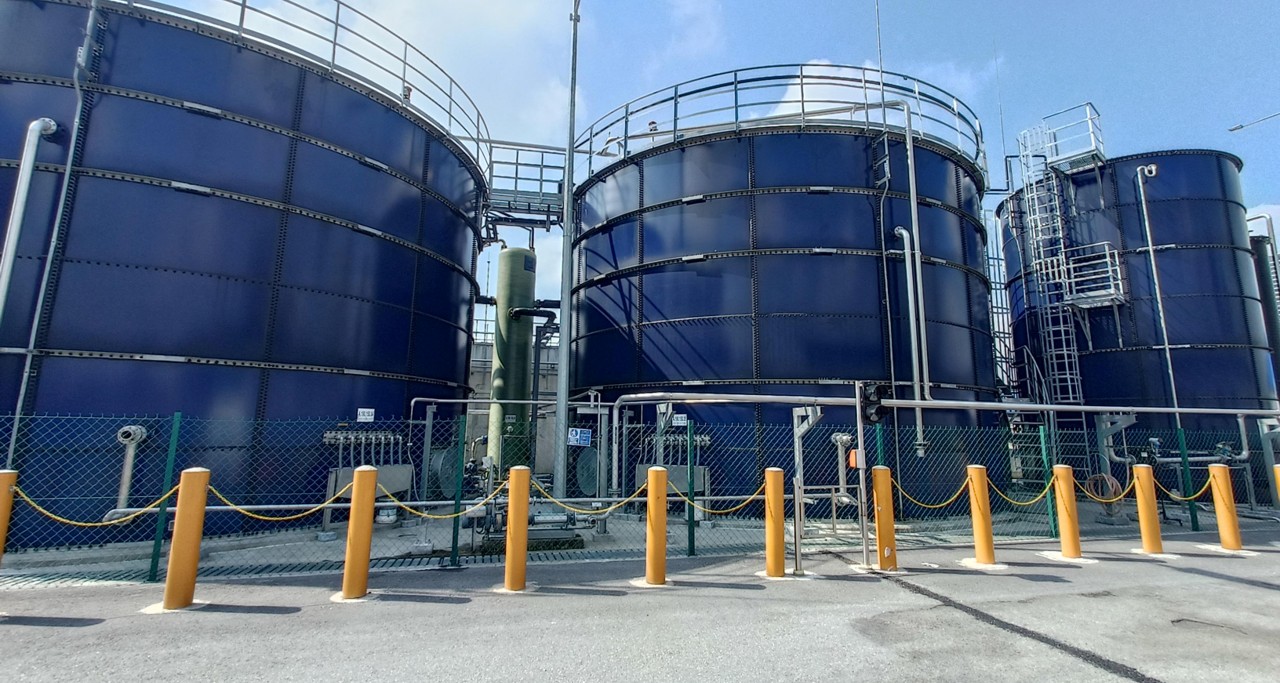
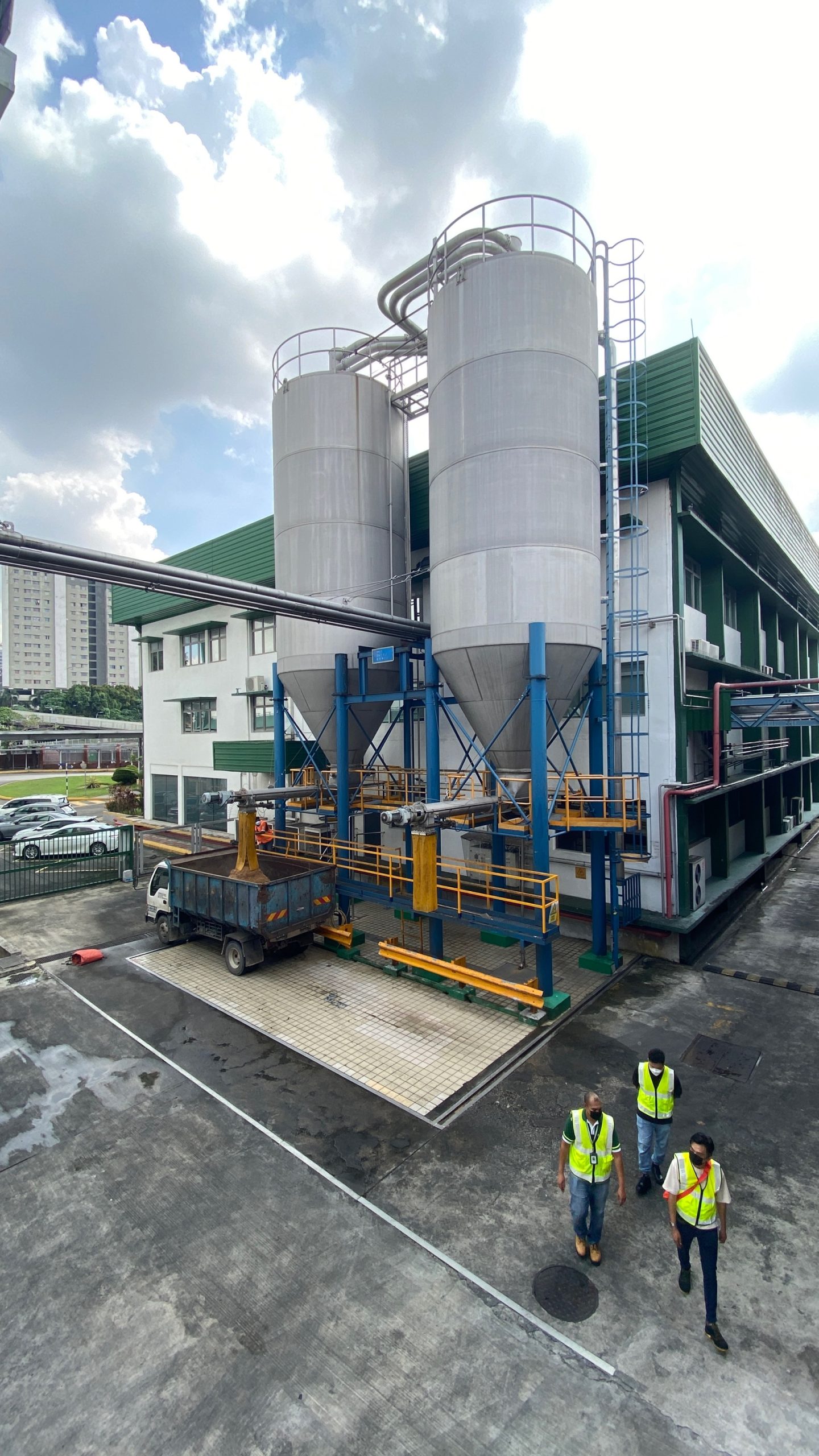
At our Sungei Way Brewery, we continuously improve water efficiency through water reuse, recycling and treatment processes. All wastewater generated at the brewery is treated to protect the local environment and comply with the Environmental Quality Act 1974 and the Environmental Quality (Industrial Effluent) Regulations 2009, Fifth Schedule (Standard B), as stipulated by the Department of Environment.
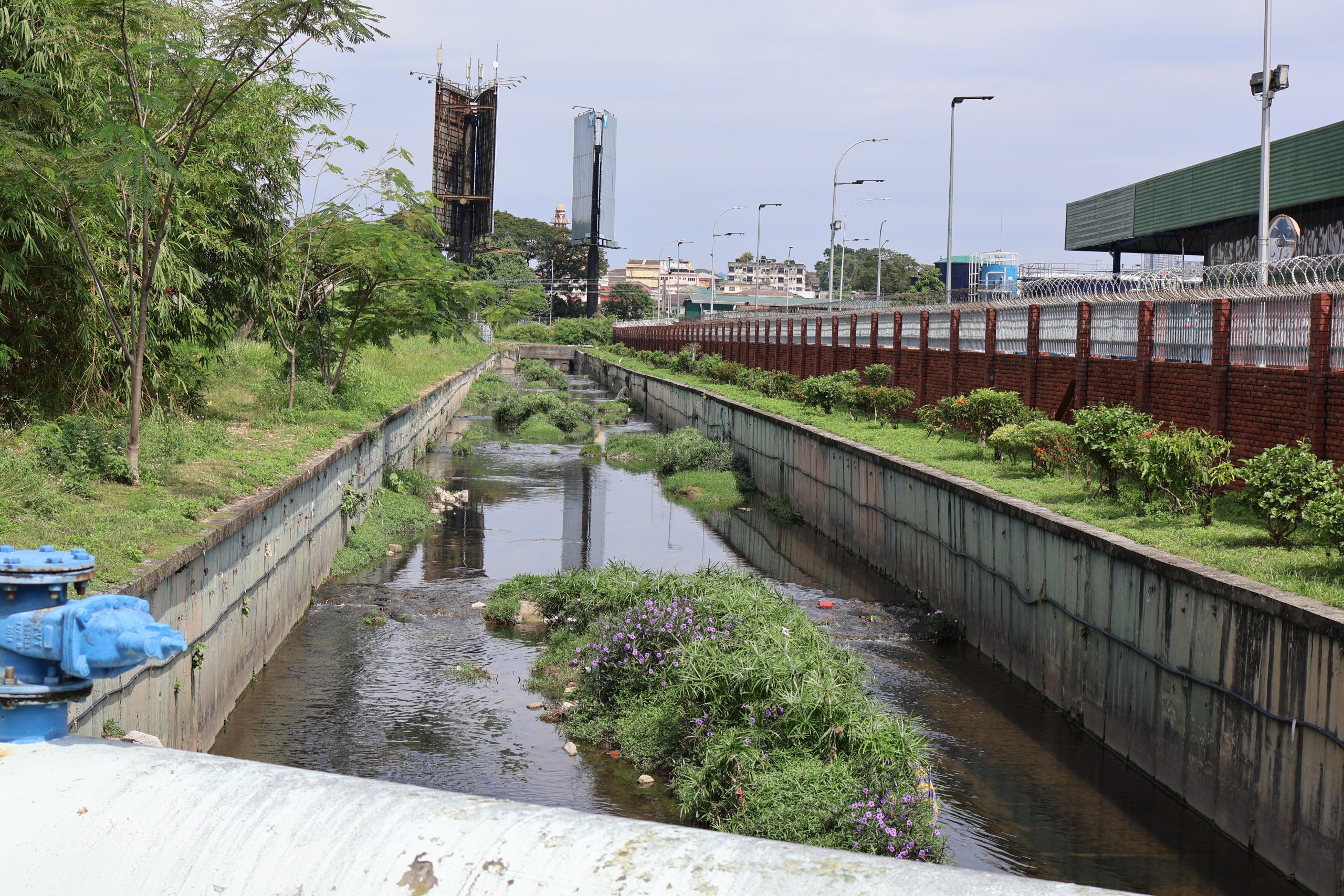
Our brewery sources water from Sungai Selangor for its operations, while wastewater is treated to meet the Department of Environment (DOE)’s applicable discharge standards before being released into Sungai Way.
| Parameters | Units | Quality of Effluent Discharged | DOE Limits |
|---|
| | | 2023 | 2024 | 2025 | |
|---|
| pH | – | 8.22 | 8.11 | 8.09 | 5.5 – 9.0 |
| Chemical Oxygen Demand | mg/L | 134.09 | 109.65 | 108.10 | 200 |
| Suspended Solid | mg/L | 92.4 | 62.23 | 55.34 | 100 |
| Oil and Grease | mg/L | 0.00 | 0.00 | 0.00 | 10 |
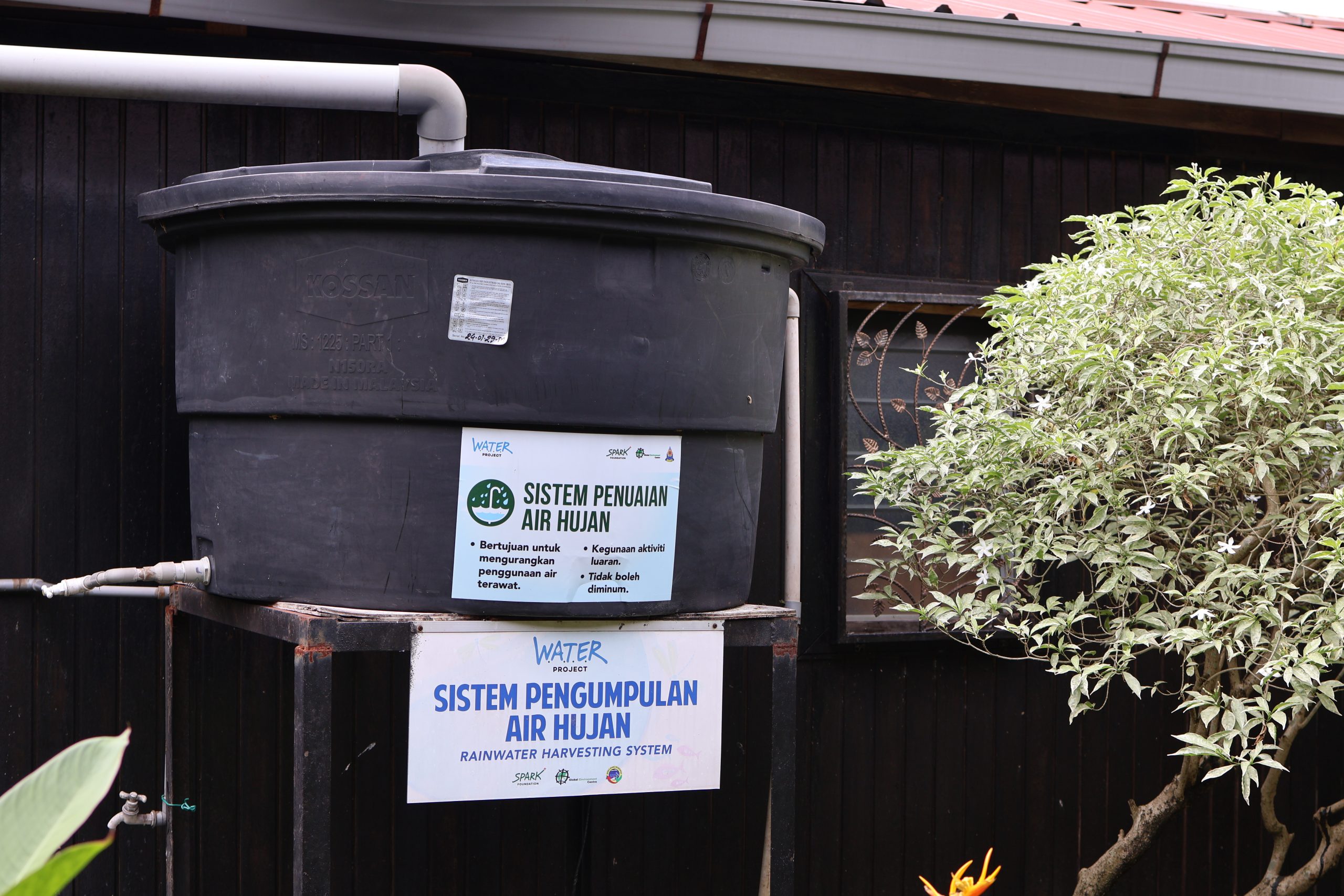
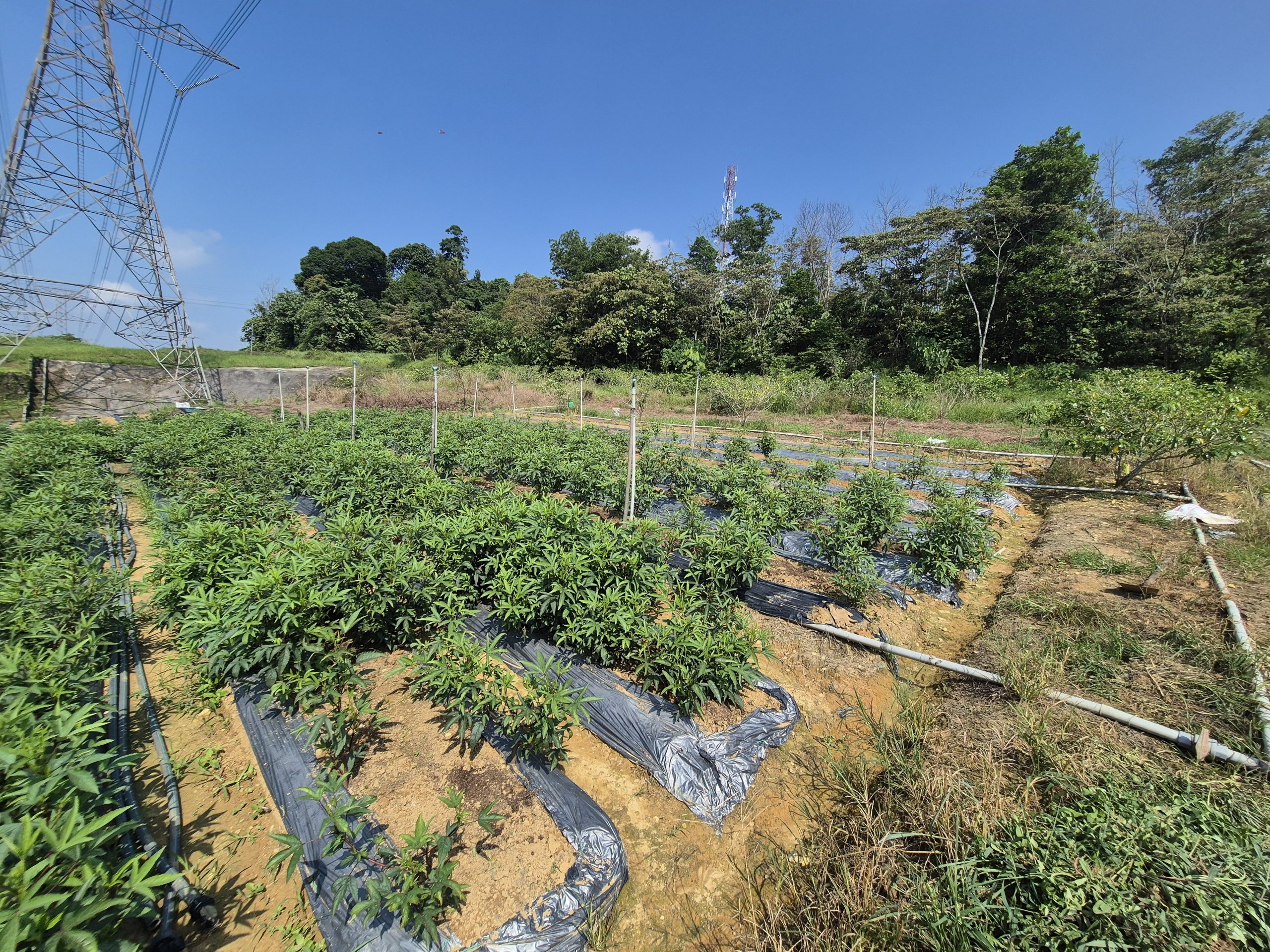
Beyond our brewery operations, we support water balancing through nature-based solutions, including reforestation and watershed rehabilitation. These initiatives help restore ecosystems, improve water availability and strengthen community resilience to climate change.
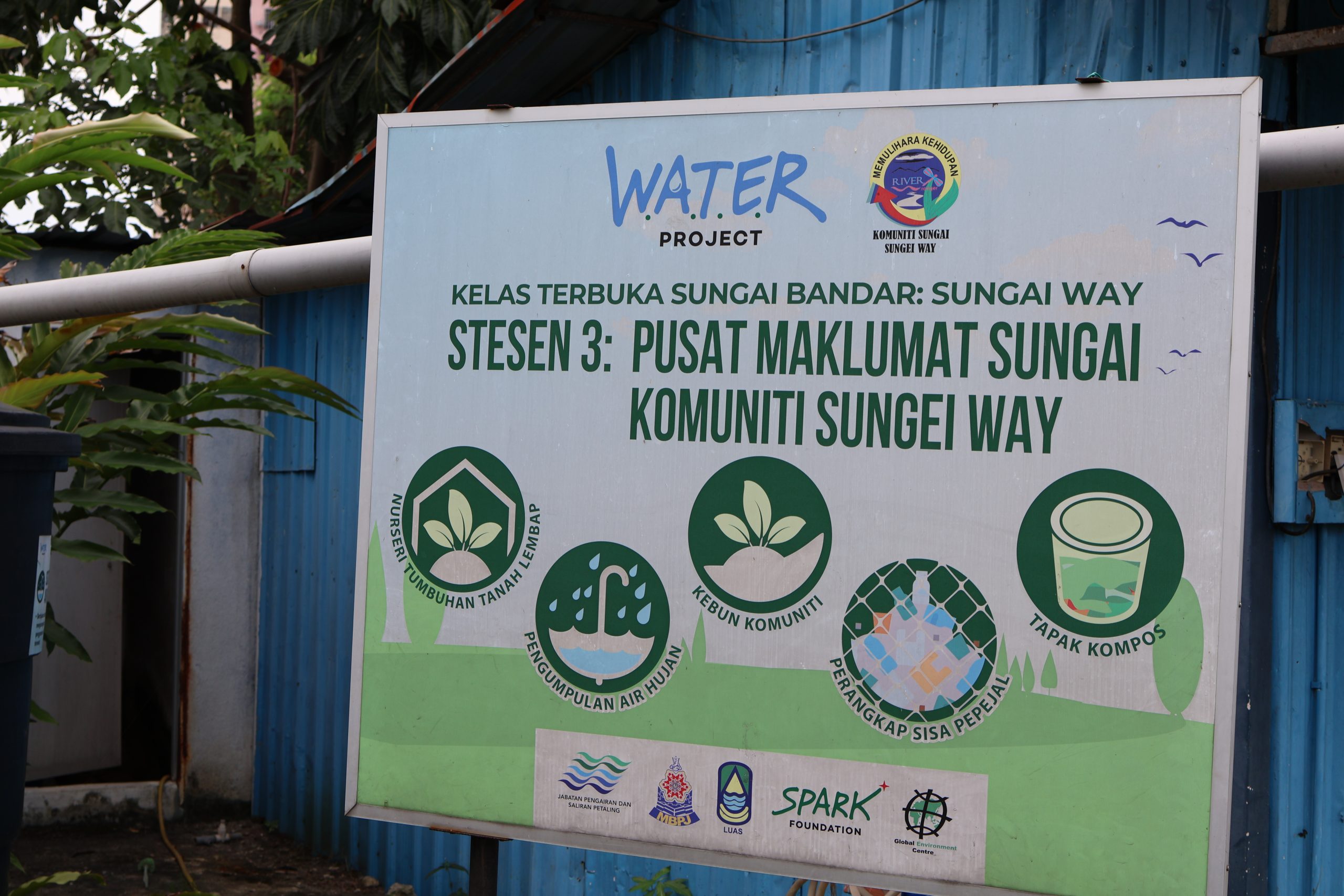
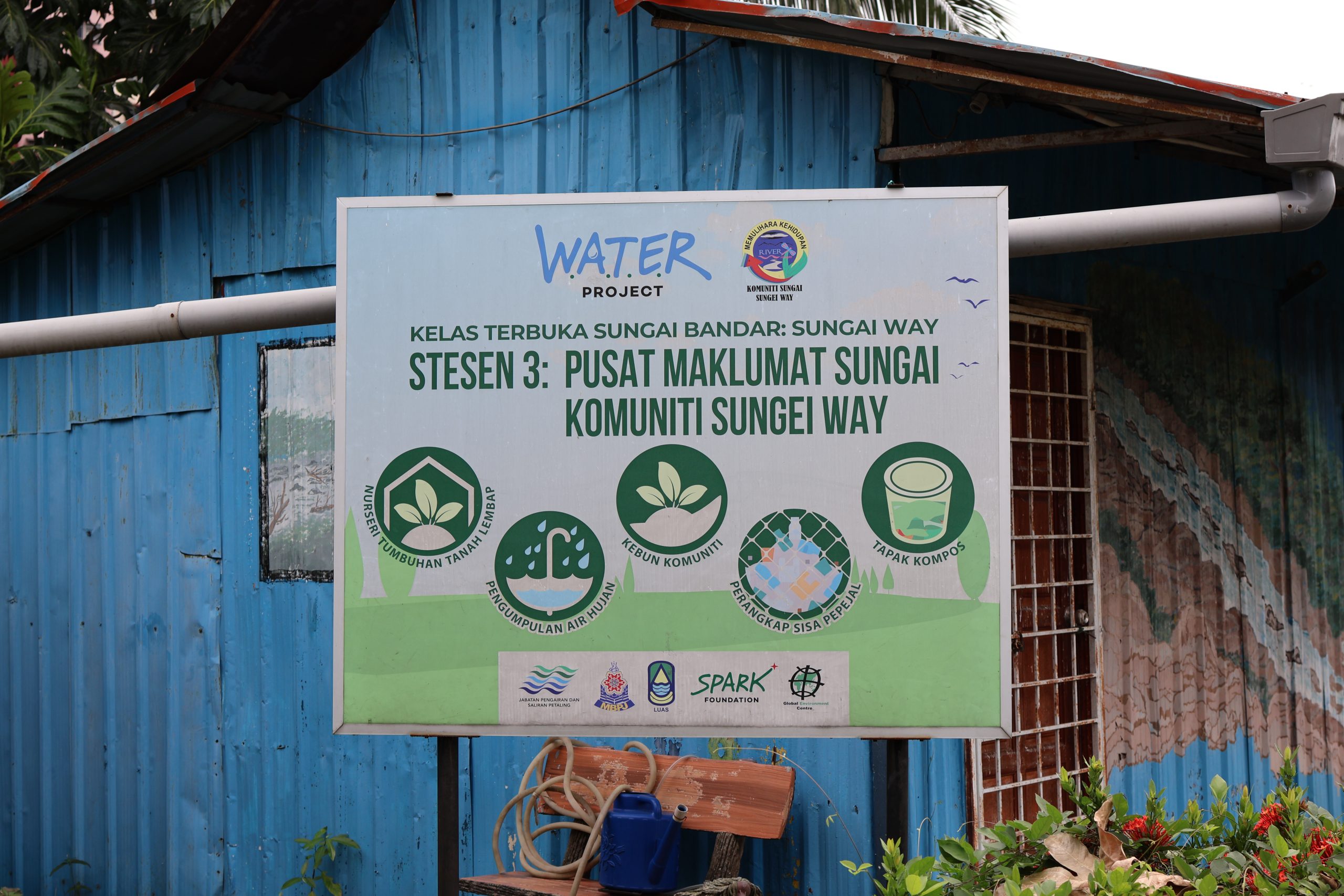
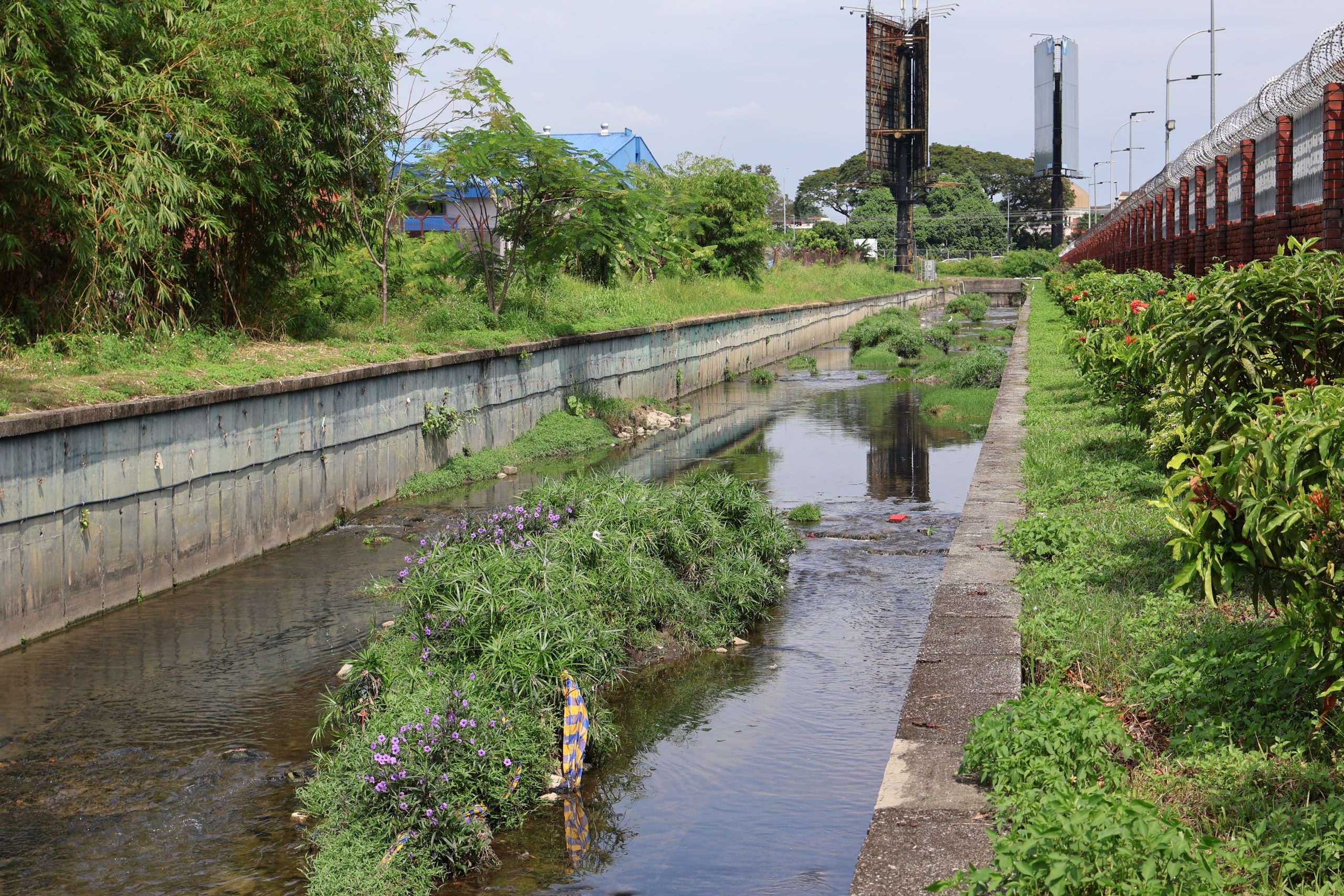
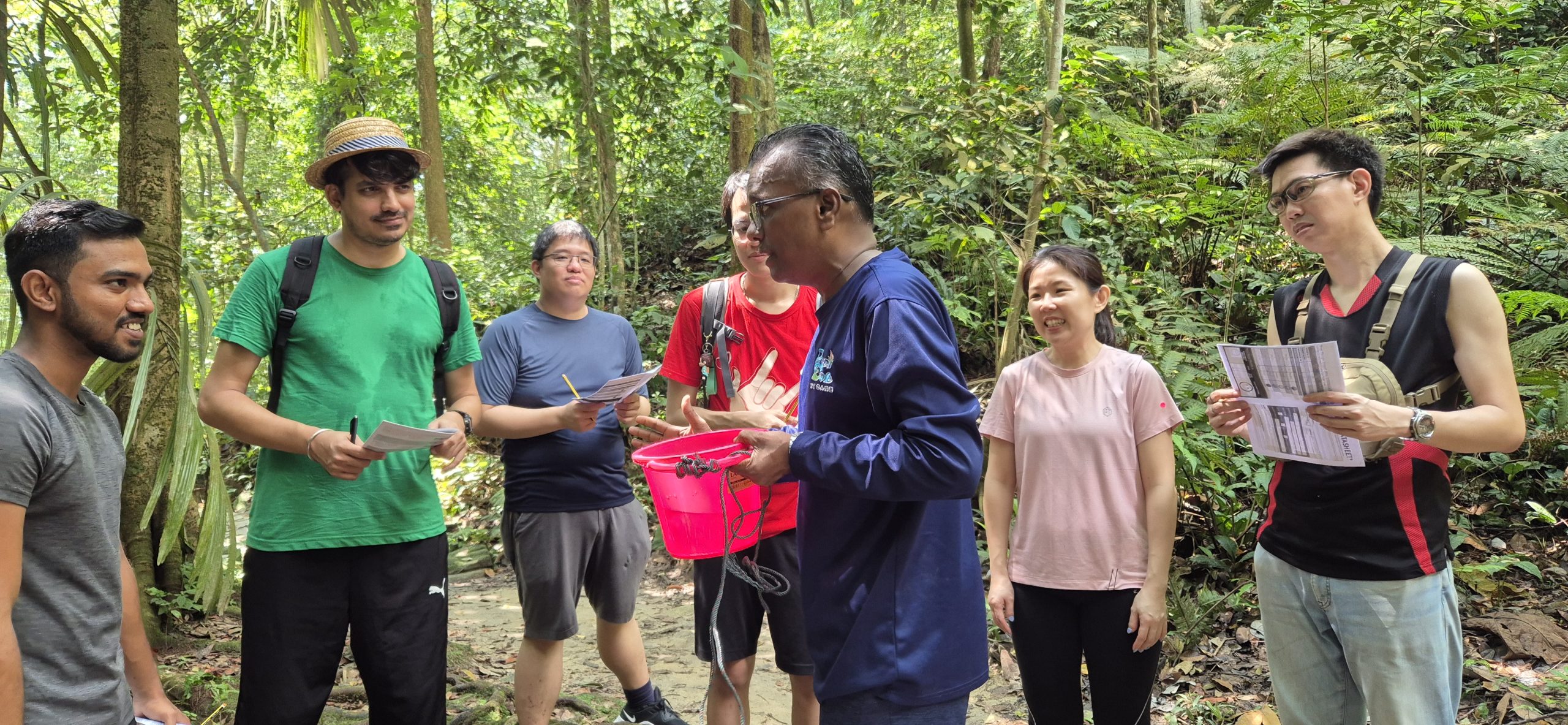
Since 2007, HEINEKEN Malaysia has invested more than RM17 million in water balancing initiatives through the Working Actively Towards Education and Rehabilitation (W.A.T.E.R) Project, in collaboration with our environmental partner. These initiatives address local water challenges, rehabilitate river ecosystems and strengthen the resilience of surrounding communities.
In 2025, we achieved 221% water balancing through high-impact water stewardship initiatives. Our water balancing volumes are quantified using the World Resources Institute’s (WRI) Volumetric Water Benefit Accounting (VWBA) framework and independently verified by LimnoTech, a leading U.S.-based water sciences and environmental engineering firm.
Our water stewardship initiatives are guided by an understanding of local water-related risks. In 2016, HEINEKEN Malaysia conducted a Source Vulnerability Assessment (SVA), supported by an external environmental consultancy, in collaboration with local NGOs and alongside the WRI Aqueduct Water Risk Atlas, to identify and assess water-related risks affecting the Sungei Way Brewery and its surrounding watershed, Sungai Selangor.
The assessment provided valuable insights into local water risks and challenges, helping us identify opportunities to improve water management within our operations and develop targeted water balancing initiatives to reduce water-related risks across the watershed. Implemented in collaboration with our environmental partner, these initiatives include river rehabilitation and reforestation to improve watershed health and strengthen the resilience of local ecosystems and communities.